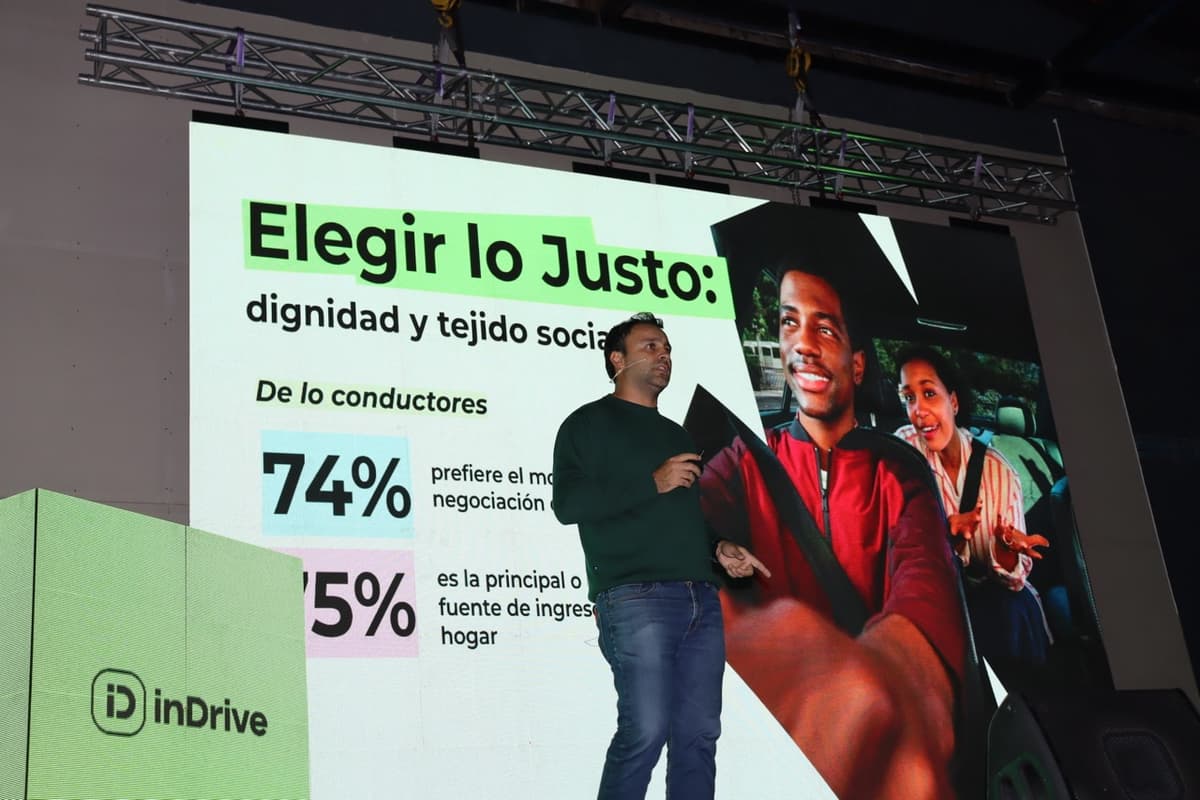
In inDrive’s AV manifesto, CEO and Founder, Arsen Tomsky, outlines his vision for the adoption of autonomous vehicles (AVs) across emerging and frontier markets.. It tackles what is arguably the most important question facing mobility at this juncture:
What happens to millions of ride-hailing drivers when cars no longer need them?
Over the last decade, the rise of app-based ride-hailing services has provided a much-needed supply of independent work, bringing income and opportunity to millions when other industries have waned. But if self-driving cars take over, what happens then?
It’s commonly assumed that vast numbers of drivers will be pushed out of the ecosystem.
Some may take comfort in the belief that the rise of autonomous vehicles remains a distant prospect outside of wealthy cities like San Francisco, Phoenix, and Dubai; cities with strong infrastructure, good roads and high purchasing power. That in less developed regions, driverless vehicles won’t be showing up anytime soon.
But inDrive believes that both these assumptions can – and should – be challenged.
We hold that the future of autonomous mobility can and should also be designed for Quito, Lagos, Lahore, Manila, Lima and the hundreds of other fast-growing cities where affordable mobility is a critical issue.
And, at the same time, we believe that the rise of autonomous vehicles should not exclude the drivers who have built today’s mobility platforms. Instead, it should empower them to become owners and operators of autonomous fleets - a sustainable, effective and inclusive model for decades to come.
Hence the inDrive AV Manifesto: Affordable Autonomous Mobility for the Next Billion Users.
It’s our outlook on the future of autonomous mobility and the role inDrive can play to bring that future to life. Read it here, and join our drive to build tomorrow.