In a lecture at Web Summit Rio 2025, Arsen Tomsky debated current capitalism and highlighted the innovative trajectory of the global platform – from a startup to a global reference in urban mobility
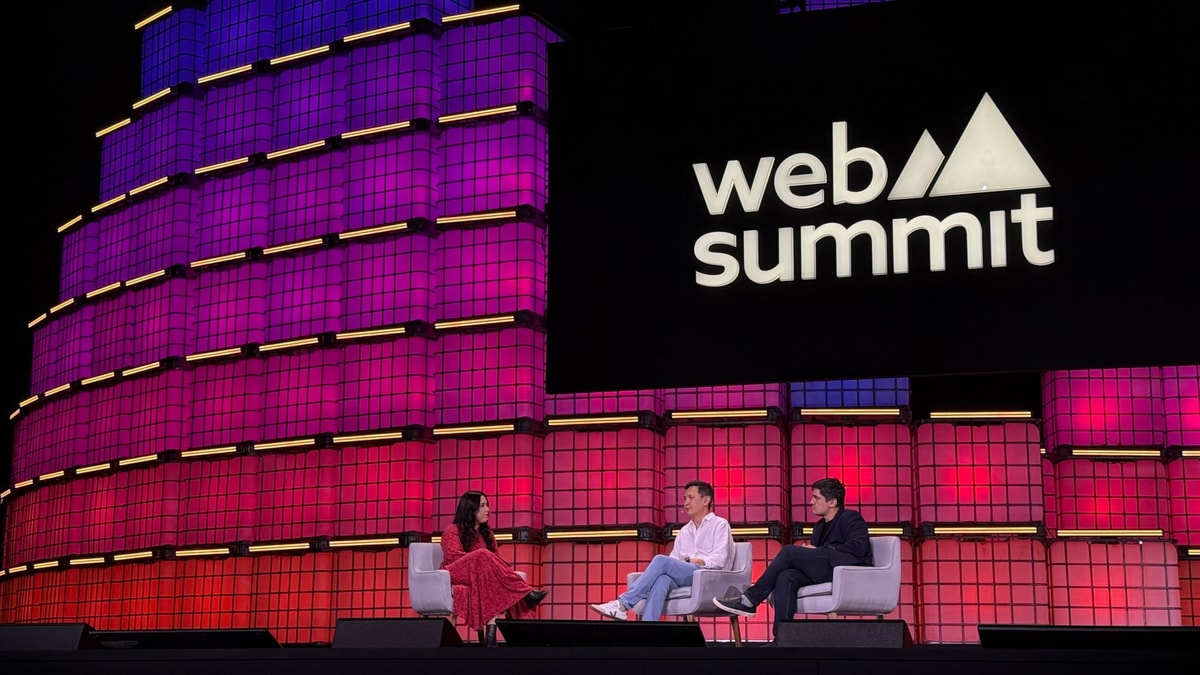
São Paulo, April 2025 – inDrive's ability to challenge traditional models and innovate from improbable contexts was highlighted by Arsen Tomsky, founder and CEO of the global urban mobility platform, during Web Summit Rio 2025. In the panel "Building global platforms outside of Silicon Valley," held this Tuesday (29th) on the main stage of Riocentro, Tomsky demonstrated how inDrive went from an "underdog" to a reference in the sector, proving that it is possible to build sustainable global solutions, far from the major technology centers and based on "a new type of capitalism," more human and transparent. Technology companies are increasingly seen as part of the inequality problem, and by speaking openly about the market, Tomsky positions inDrive as a leader that prioritizes fair opportunities and people in the growth and center of its business.
During his participation, he highlighted the platform's peer-to-peer (P2P) system, which challenges centralizing models by allowing direct negotiation between users and partners, promoting more transparency and fair pricing in rides, and without interference from algorithms in this process. The CEO and founder also addressed the company's growth trajectory, now present in more than 48 countries, and reinforced its commitment to innovation, inclusion, and positive social impact, especially in emerging markets, where access to opportunities and quality services is still limited.
"To survive in a harsh environment, you have to be highly effective, smart, and creative. When the time comes to scale, those are exactly the skills that make a difference. We need more businesses focused on tackling injustice — I’ve learned that the same inequality you see in a country can just as easily happen in another”, emphasized Arsen Tomsky.
The future that inDrive wants to build includes people, access to mobility, and fair opportunities for everyone. The platform was founded by an excluded population, with a model built around solving real problems for real people in all countries where the brand operates today. In Brazil, where it began its operations in December 2018, inDrive is already present in more than 140 cities in all states, including all capitals and the Federal District. The platform brings together more than 19 million users and 1.4 million registered drivers, with more than 2.8 billion kilometers traveled in the national territory. So far, more than R$ 10 billion in the Brazilian market, covering marketing actions, payments to partners, and local impact initiatives.
Arsen also highlighted how the strength of a team driven by a strong purpose enhances its actions and reinforced inDrive's commitment to its drivers, offering fair commissions and real appreciation in the face of the imminent threat of autonomous vehicles. The panel also featured Alessio Silva Alionço, founder and CEO of Pipefy, and was moderated by Maria Curi, a reporter specializing in technology policies at the Axios portal. Together, they discussed how solutions created outside the hegemonic technology centers can meet consumption and mobility needs, promoting quality services and more inclusive and sustainable growth.
Arsen Tomsky had a second lecture at Web Summit Rio with the theme "From Yakutsk to glory: a conversation with the founder of a unicorn". The solo presentation is an opportunity for the public to delve deeper into Tomsky's entrepreneurial vision, who transformed an idea born in a challenging and unjust context in 2012 into one of the most innovative and people driven mobility platforms in the world.