Ipsos Napoleón Franco recently conducted a study of the economic and social impact of the inDrive platform. The results are in, and honestly, they’re worth highlighting.
Facts and figures
Let’s start with this: inDrive supports more than 51,900 indirect jobs (think repair shops, service stations, insurance companies, and local businesses).
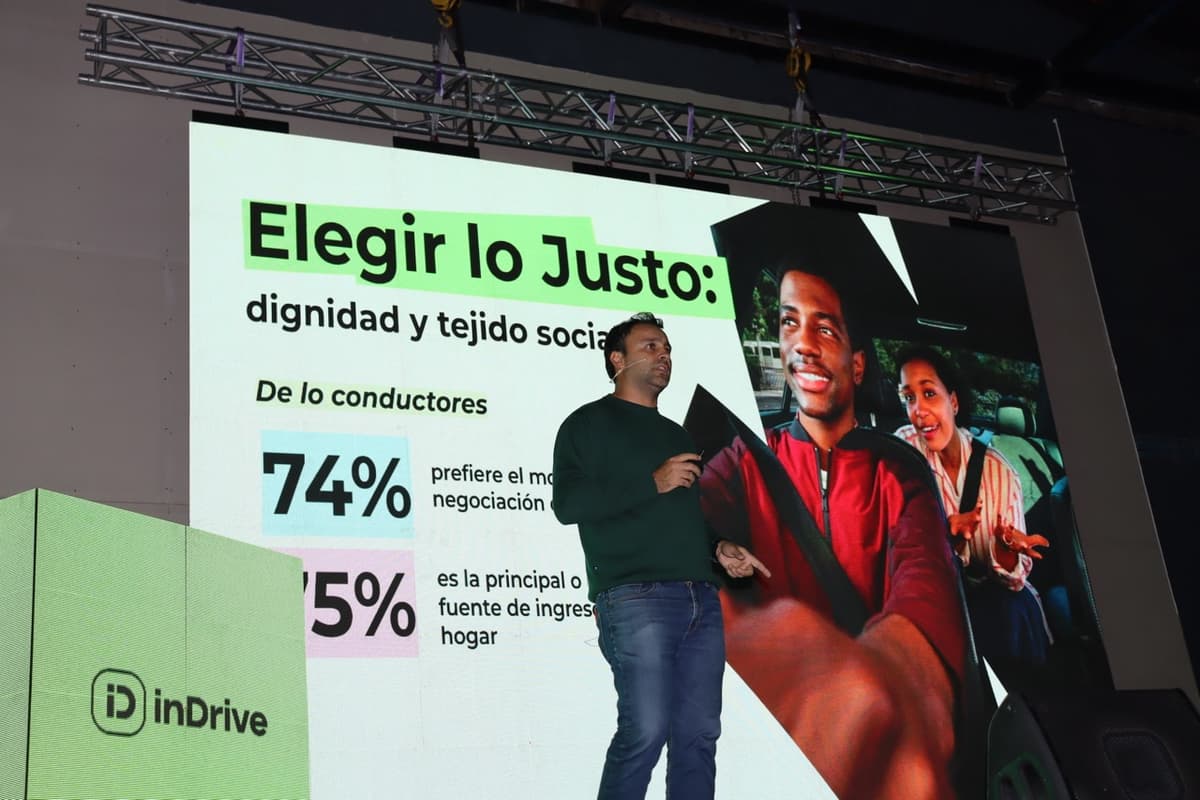
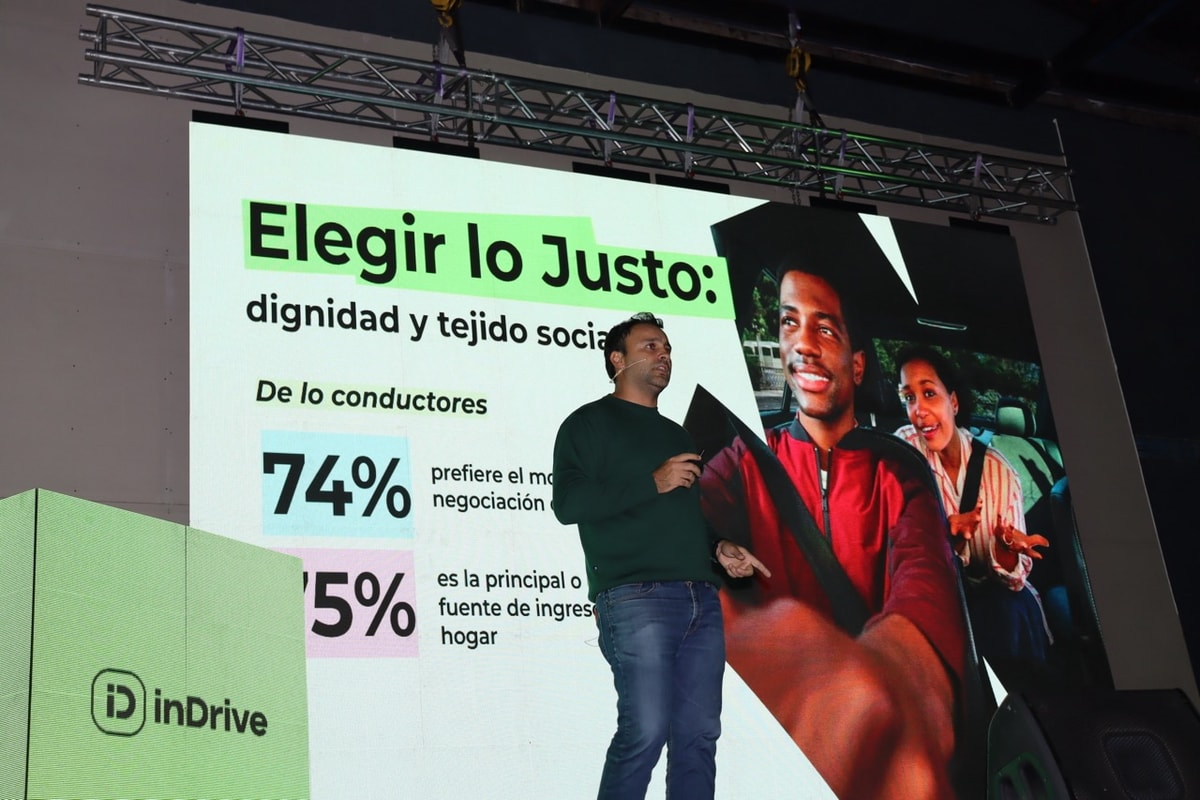
And that’s not even including the drivers who earn their income from our platform – the mainstay of ride-hailing. When it comes to our drivers, the Ipsos study found that most of them (75%) are the primary or sole income earners for their families, meaning that ride-hailing is an important source of domestic financial stability.
Drivers spend an average of 7.8 hours a day on the app, and the inDrive model’s flexibility means that they can combine this work with caring for children, elderly relatives, or family members with disabilities. (Shout out to everyone going above and beyond for the people they love.)
The Ipsos study showed a powerful multiplier effect on the local economy: for every COP 1 earned by a driver working through the app, the local economy expands twofold. All this activity enabled by our app contributes in the region of COP 7.45 trillion to the Colombian economy – around 0.4% of the national GDP.
The more things change, the more one thing stays the same
That’s not bad for a company that’s been active in Colombia since 2018 (so, less than a decade). We started out in Cúcuta, and have since expanded to 45 cities across the country. We’ve also evolved into a superapp offering City to City, courier, freight and business delivery services, as well as inDrive Money, which provides short-term loans to inDrive’s drivers.
One thing has remained constant throughout: freedom of choice. The study found that 74% of drivers prefer our direct, person-to-person negotiation model over systems where the app automatically assigns fares. Around 55% think that this allows them to complete more trips per day.
As for our passengers, seven out of ten (68.6%) think that traveling via inDrive is safer than using traditional public transport in their city.
(Most) Agree: platforms should be regulated
Some 66% of drivers and 59% of passengers agree that on-demand transport platforms in Colombia should be regulated, and that this will lead to greater safety, better service quality, and certainty for everyone.
The study took a year of research to conduct, and now that the results are finally in, one thing is certain: Colombia is on the move, and we’re here for it.